“The Aesthetics of Economy” is a book by Teacher Zhan Weixiong that explores the relationship between aesthetics and economics through interdisciplinary thinking across fields such as aesthetics, economics, and philosophy. The book introduces the concept of “the aesthetics of economy,” proposing that aesthetics is a resource in economics and, simultaneously, that aesthetics can offer many insights and influences to economics.
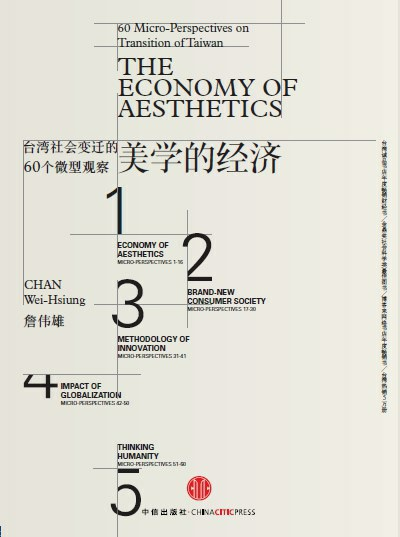
Through in-depth analysis of the fundamental principles and characteristics of aesthetics and economics, Teacher Zhan explores the connections and intersections between them. By combining numerous case studies and empirical research, he illustrates the application and role of aesthetics in economics.
The book covers a wide range of fields, including architecture, design, art, culture, and technology. Drawing from practices in these diverse areas, Teacher Zhan examines the relationship between aesthetics and economics, offering many practical thoughts and methods to help readers better understand and apply the economic principles of aesthetics.
This perspective is highly forward-looking for our current era. I work in the field of game creation, where compelling stories are crucial for engaging game audiences. Games themselves hold no inherent meaning; it is only through consuming the stories behind them that we derive enjoyment. This is also the greatest significance of games.
Behind game culture lies the ability to empathize with players. Players often appreciate familiar tropes, creating a deep resonance between the work and the players.
The book provides several examples:
- Architecture and design in Barcelona, Catalonia, Spain, have played a significant role in the local economic development. For instance, the Sagrada Família and Park Güell, designed by Antoni Gaudí, attract a large number of tourists and investments, boosting the local tourism and real estate industries.
- Apple’s design and aesthetic philosophy have been crucial to the success of its products. For example, the simple and refined design of the iPhone and iPad has attracted a vast number of consumers, propelling Apple to a leading position in the mobile device market.
- Artistic works such as films, music, and literature can also impact the economy. For instance, the success of the Hollywood film industry has attracted substantial investments and talent, becoming a significant component of the U.S. economy. Additionally, music and literary works can generate economic benefits through channels like copyright and derivative products.
- The cultural and creative industries are also an important economic sector, capable of bringing substantial economic benefits to countries and regions. For example, the cultural and creative industries in the UK contribute significantly to the British economy and serve as a key pillar of its economic structure.
These examples offer valuable insights for understanding the value generated by popular products. We attempt to distill the commonalities of these products, trying to reconstruct the aesthetic improvements they have made. Are these commonalities and improvements the reasons people love them?
💡 Thank you for reading! Feel free to share this article or reach out to me via email to exchange thoughts.
The RSS address of this site has been updated. Please resubscribe, dear readers!