Preface
One day in 2023, I stumbled upon an article on social media about Airbnb co-founder Brian Chesky discovering Disney’s storyboard technique. It happened to align with the topic of story paradigms I was contemplating at the time, so I saved it.
Now, in 2024, as I plan to continue exploring the paradigms of good storytelling, this article came to be.
Introduction to Storyboards
The concept of the “storyboard” was proposed and implemented by Disney in the 1930s and has been widely used in the animation production pipeline.
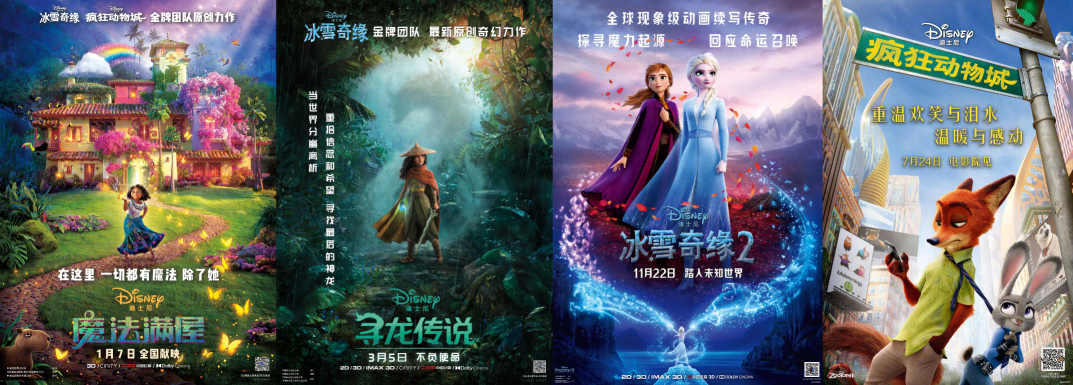
The storyboard form runs through the entire animation creation process. A professional “story brain trust” scores the story’s model, structure, character design, emotional beats, and other elements. The final animated product undergoes multiple rounds of professional validation to achieve Disney’s high-quality standards.
The benefit of storyboards is that they allow creators to visually express the content in their minds through a sequence of images. Such storyboards are invaluable, definitive content within the creative workflow.
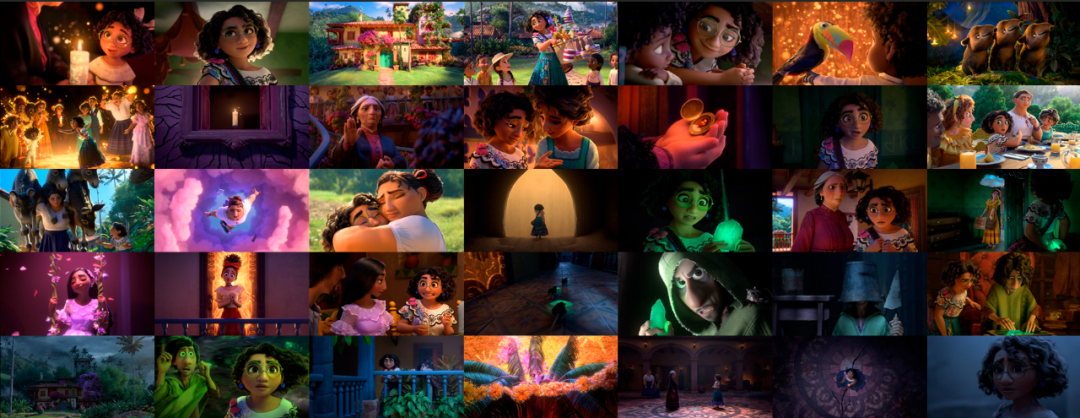
I also saw similar footage in director Hayao Miyazaki’s behind-the-scenes documentary. By using definitive single frames, the entire story is strung together. Later, simply adjusting the order and pacing of these frames can alter the rhythm of the film.
Creative Process
Concept Design —> Storyline Arrangement —> Visual Design —> Sound Design —> Asset Creation —> Post-Production
Concept Design
Animation, film, and games differ in their expression and production techniques, but they share similarities in the core expression of storytelling. Creating a good story relies heavily on the initial concept design phase, which revolves around designing the story background, storyboards, characters, and more.
Disney’s storyboards play a crucial role at this stage as well. They help the creative team research culture, history, science, art, and other content based on the story’s development, making the creation details of the entire story world closer to real life.

Creating Storyboards

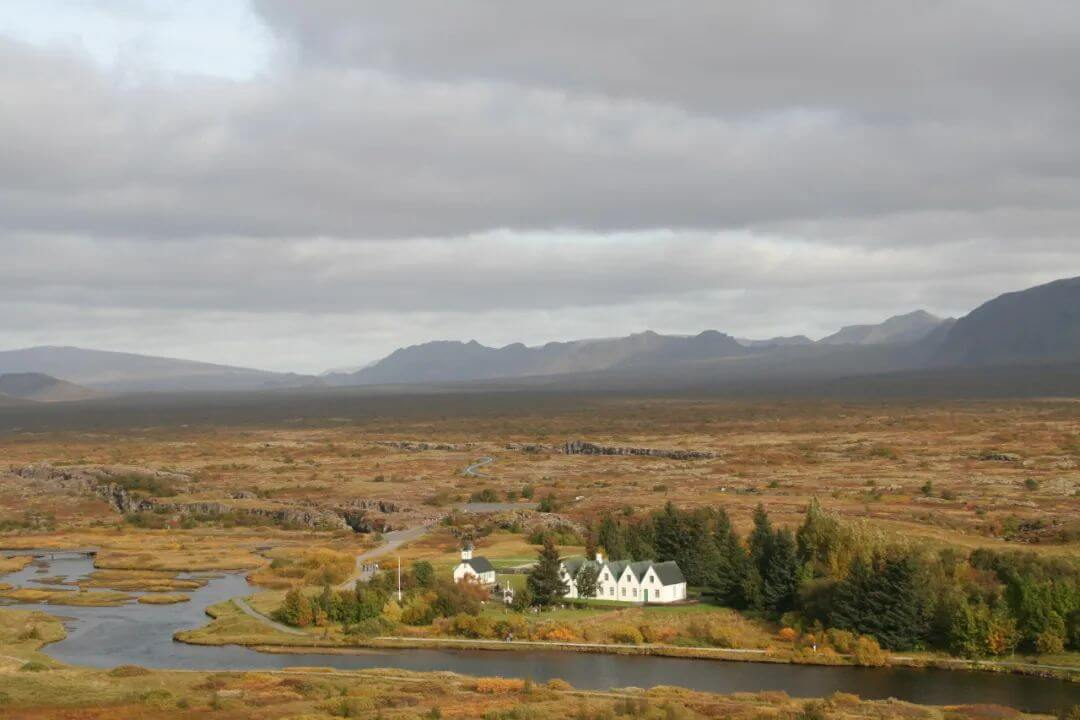
Field Research Silhouettes for Frozen 2

Field Research Footage for Raya and the Last Dragon
Storyline Arrangement
Screenwriters, editors, and artists work hard to translate the director’s envisioned story into visual form on the storyboard. They consider factors like story background, plot, and characters, and also design details such as character expressions, body movements, and costumes.

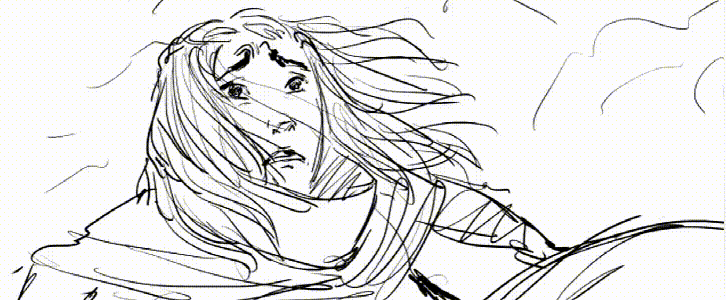
Raya and the Last Dragon Storyboard
Shot Visualization
Based on the script, artists design shot compositions according to the plot’s progression, beginning to arrange the overall direction of the story.


This storyboard approach allows for the concrete expression of elements like characters, scenes, and lighting early on. When technical and art teams see this content in the pre-production phase, they can more accurately assess production plans in subsequent stages.
Visual Design
Building on the shot design, artists further expand on the details of the visuals, involving aspects like color, texture, and special effects. Taking Frozen 2 as an example, this design already shows the character’s hair color, clothing, overall color palette, and the use of transparent materials to express ice and snow effects.

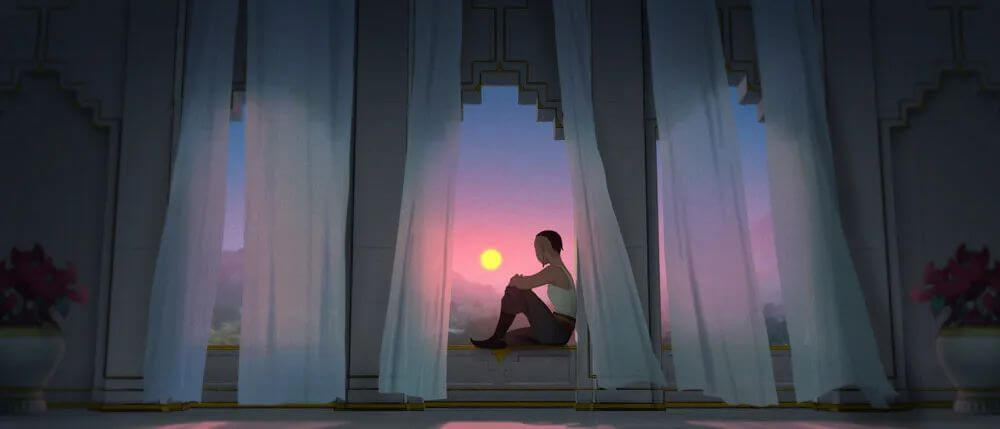
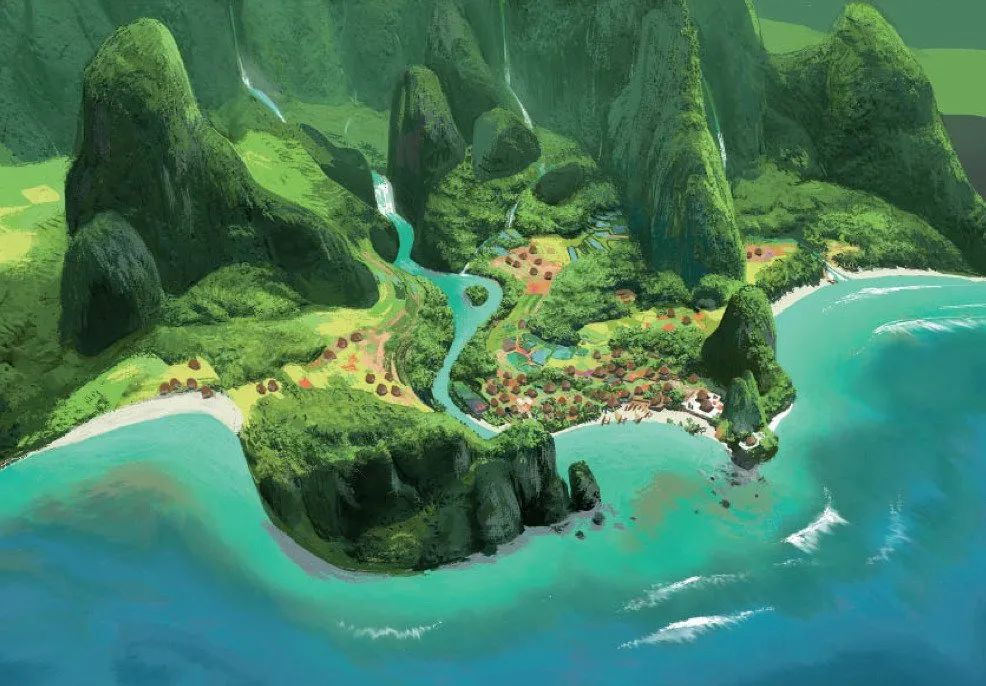
Raya and the Last Dragon Visual Development
In terms of scene, atmosphere, lighting, and other details, visual design provides general references, setting standards for subsequent detailed design.
The content collected during field research in the concept design phase provides crucial reference evidence for details in the visual design phase. What should a character look like? What clothes should they wear? What environment do they live in? All these elements ultimately make the story more believable.
Sound Design
Disney’s voice-over and editing teams, based on the Pre-production story reel animation, find suitable voice actors and produce background music, character dialogue, and other audio elements for the story.

Asset Creation
Simultaneously, after completing the visual design, artists create the characters and scenes based on the finalized designs. In recent years, Disney has shifted to producing 3D animation, which involves modeling, rigging, texturing, hair and clothing simulation, and more.

3-View Model

Clothing Material Design

Hair and Facial Design
Animation requires creating exaggerated character movements, facial expressions, and clothing with physical simulation for realistic flow. These designs must ultimately align with the performance depicted in the storyboard, ensuring viewers don’t find them jarring.
Within the framework of the storyboard, creators autonomously design the story’s rhythm and visuals in each frame, making it more vivid and creative.
Post-Production
In the post-production phase, the storyboard is translated into 3D. Character and scene models are placed in space, and the camera is controlled to recreate each frame from the storyboard.

In film production, there is a Pre-production stage where the creative team has already iterated on the content. By the time post-production begins, this content is nearly at the final film’s quality level.
Post-production is the final integration stage for assets. Once all models, effects, camera angles, lighting, etc., are designed to set the scene’s atmosphere and choreograph character actions to verify the story’s emotional impact, music and dialogue are added. Editing adjusts the pacing to achieve the best possible result.

▲ No Reflection/Filtering Effect
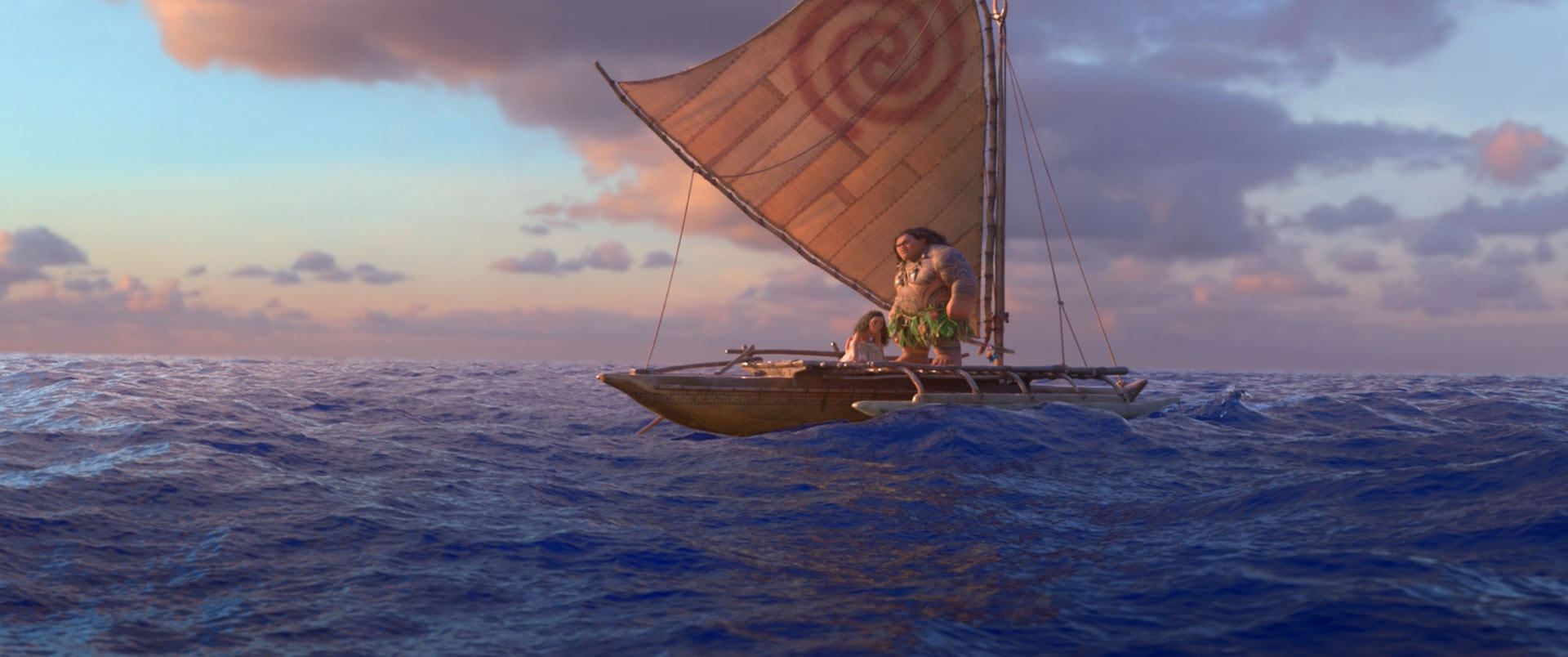
▲ Reflection Removed to Show Sea Water Color
A Side Story About Airbnb
In 2011, Airbnb co-founder Brian Chesky was reading the biography Walt Disney during the Christmas holidays and stumbled upon Disney’s storyboard tool. He then thought of applying it to Airbnb’s user experience optimization as a way to understand user journeys.
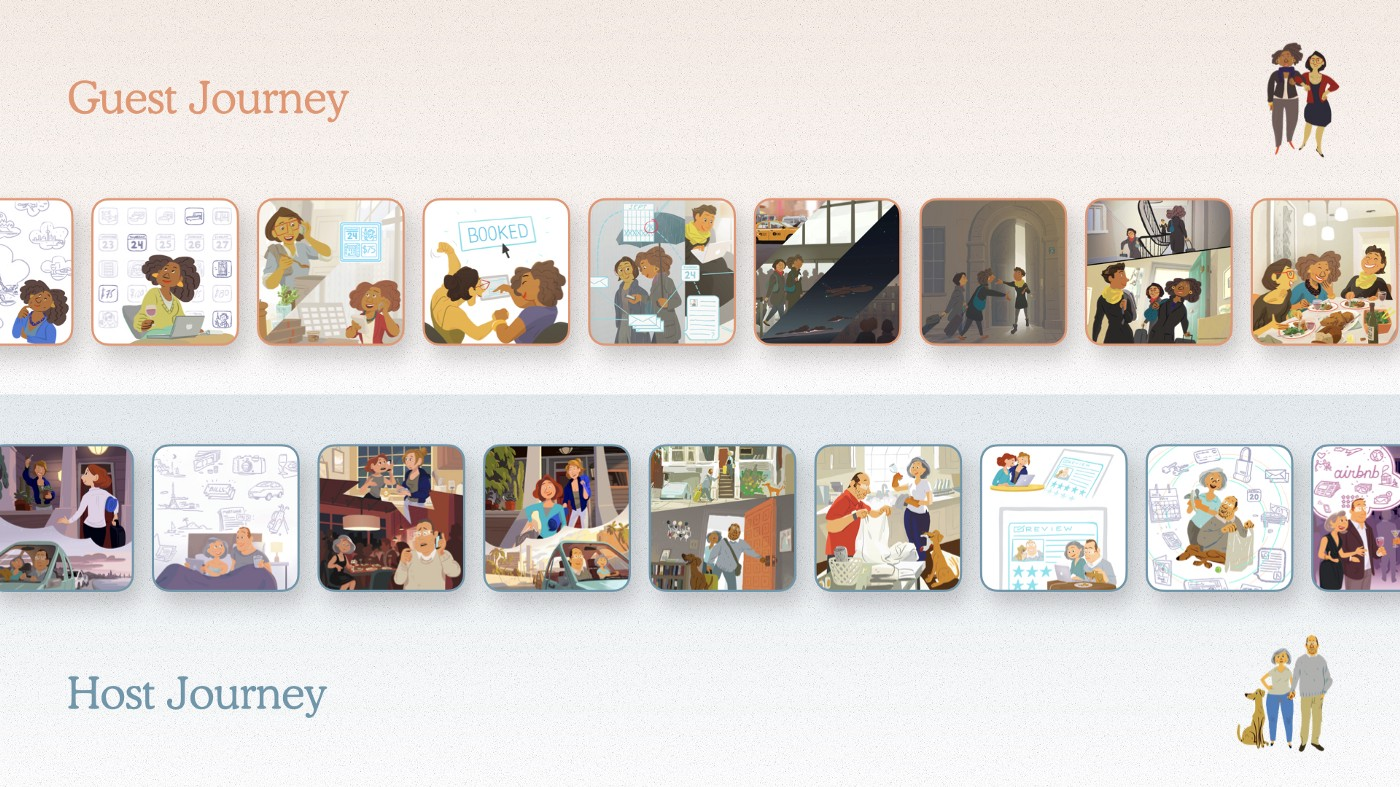
Brian internally created a project named “Snow White” and hired Pixar animator Nick Sung to implement a formal storyboard process. This included processes for hosts, guests, and recruitment. These storyboard processes were later used to guide Airbnb’s marketing, advertising, and customer service.
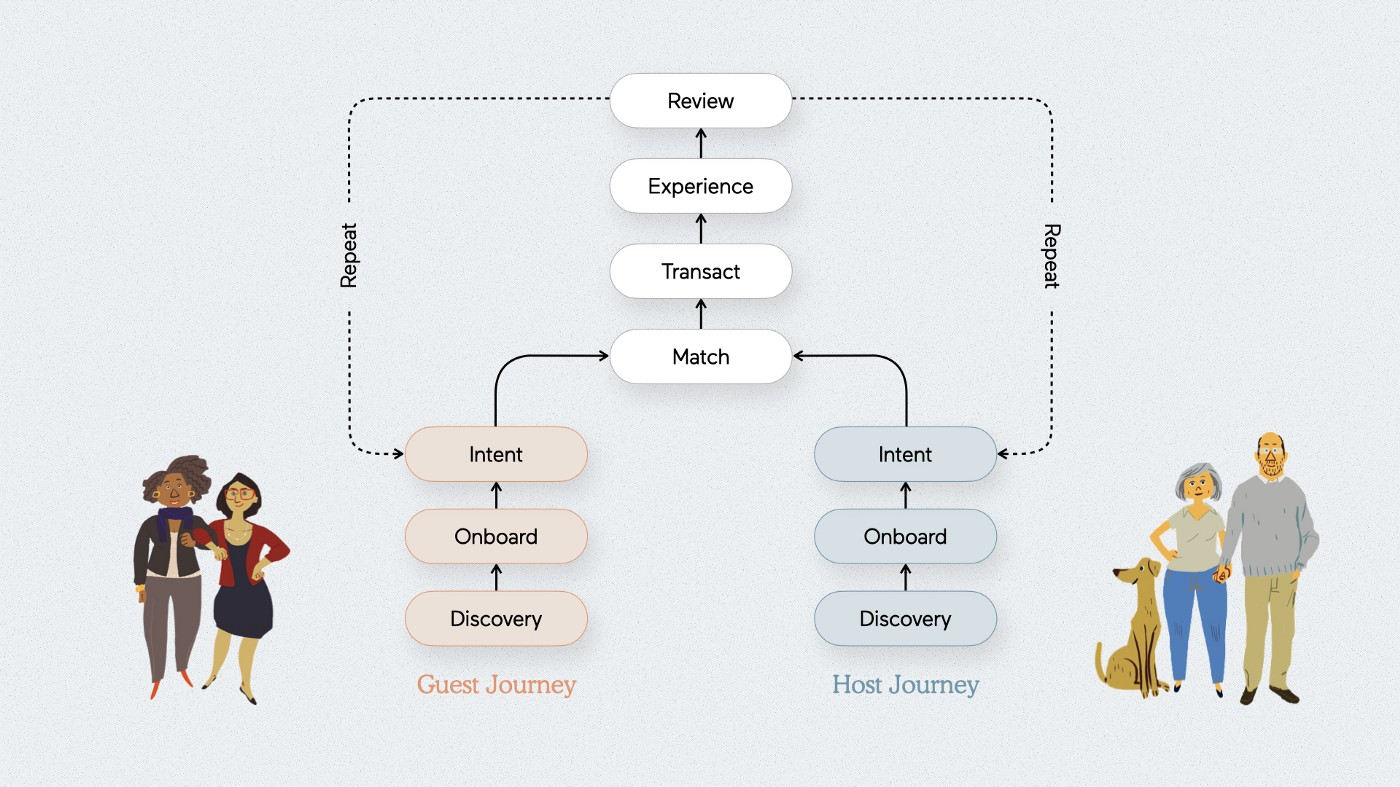
For the crafted persona “Mike” (the user), Airbnb created a dedicated storyboard (now known as a Customer Journey Map) to simulate his series of interactions with the product to address specific needs. It recreates key scenarios, behaviors, and emotions in the user experience flow and lists areas for optimization, guiding subsequent product prototype design. Beyond optimizing specific user experiences, the user experience itself became a long-term goal and part of Airbnb’s culture.

Finally, learning to tell stories isn’t limited to creating specific animations or products. It’s also a skill everyone can use to enhance self-expression and maintain alignment with the external world.
Conclusion
Ultimately, the storyboard is a fun mental model. It helps us organize the process of thinking through problems, visually assisting in concretizing the ideas in our minds onto the page. Whether making animations, films, or games, this way of thinking helps us more easily consider the overall framework.
An even better approach is to document it, letting it help us improve our thinking methods and create better content.

Further Reading
Sources
This site’s RSS feed address has been updated. Please resubscribe, dear readers!
💡 Thank you for reading! Feel free to share this article or write to me to exchange ideas.